


CATEGORY
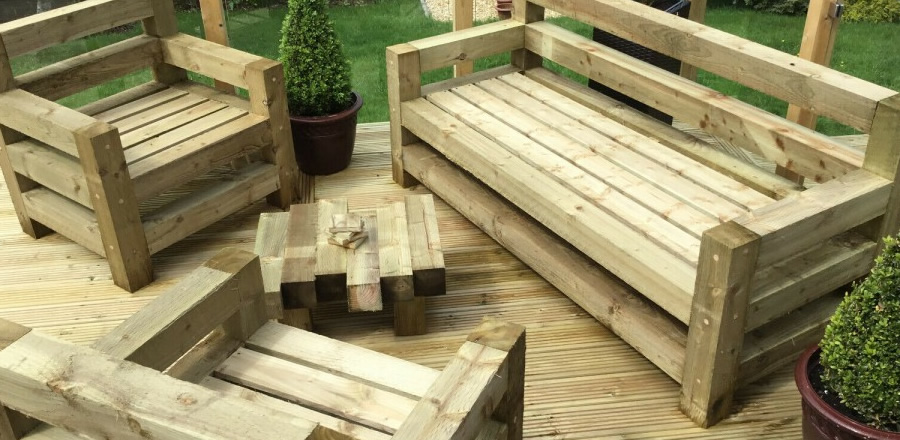
In the UK, our wooden fences and furniture are subjected to a relentless assault from rain, frost and UV rays. Without the right protection, even the highest-quality timber can warp, crack or rot within a few seasons.
As experts in wood care, we know the best wood treatments available, how to apply them and how to ensure your garden remains a beautiful sanctuary for years to come.
Why Outdoor Wood Needs Regular Protection
Wood is a natural, porous material. While its beauty derives from its organic nature, this same quality makes it vulnerable when left exposed to the elements.
- Weather Damage – The UK’s wet climate causes wood to swell and contract. When the sun comes out, UV rays break down the lignin in the wood, turning that rich brown colour into a silvery-grey. If moisture gets trapped inside during a frost, it can freeze, expand and cause deep cracks.
- Pest and Rot Prevention – Damp wood is a magnet for fungal decay and wood-boring insects. Proper fence treatment serves as both a fungicide and an insect repellent, preventing problems before they start.
- Impact of Neglect – Ignoring your wood for just 12-24 months can turn a simple maintenance job into a costly replacement project. Regular treatment is an investment that saves you hundreds on new fence panels or furniture.
What Is the Best Wood Treatment for Outdoor Furniture?
The answer depends on the look you want and how much time you’re willing to spend on upkeep. Here are some of the most popular options for outdoor furniture.
- Oil-Based Treatments – Ideal for hardwood furniture (such as teak or eucalyptus). Oils penetrate deep into the grain. They enhance the natural grain without creating a film that can peel. However, they usually require reapplication every 6-12 months.
- Water-Based Stains & Sealants – Ideal for softwood furniture. These provide a durable film that resists water beading and offers excellent UV protection. They come in a variety of colours and are generally lower maintenance than oils.
- Eco-Friendly Options – If you have a vegetable patch nearby or are sensitive to chemicals, look for water-based, low-VOC (Volatile Organic Compounds) treatments. Many modern formulas offer robust protection without harsh solvents.
Types of Fence Treatments and Preservatives
Choosing the right fencing material is only half the battle – treating it correctly is what ensures longevity. Here’s how to differentiate between the three main types of fence treatment:
- Fence Paints – These offer the highest level of colour coverage. They are perfect for hiding mismatched old panels or creating a crisp, modern look. High-quality fence paints form a protective layer that resists cracking and fading.
- Wood Stains – Unlike paint, stains are translucent. They soak into the wood to enhance the natural grain while providing colour. Stains are excellent for newer fences where you want to show off the timber’s natural grain.
- Preservatives & Oils – These are usually clear or lightly tinted. Their primary job is protection rather than decoration. They are ideal for treating the end-grain of fence posts (the most vulnerable area) and for older fences.
We highly recommend the Ronseal range for its proven durability. Whether you need a fence treatment that offers 5-year protection or a quick-drying stain, Ronseal provides consistent, reliable results.
How Often Should You Treat Your Fence?
A good rule of thumb is to treat your fence every 2 to 3 years. However, the UK climate can accelerate this timeline.
Regular Seasonal Maintenance
Spring is the ideal time for fence treatment. The wood has dried out from winter but hasn’t yet been baked by the summer sun. Aim for a dry spell where temperatures are consistently above 10°C.
Signs Your Fence Needs Treatment Now
- Water no longer beads – Splash some water on the wood. If it soaks in immediately rather than forming droplets, your treatment has failed.
- Fading colour – If the fence looks grey and tired, the UV protection has worn off.
- Small cracks – This indicates the wood is drying out unevenly.
What Is the Best Way to Maintain Wooden Panel Fences?
If you’ve invested in quality panels, you’ll want to keep them standing for years to come. When maintaining wooden panel fences, consistency is key. Following a simple annual checklist can extend your fence’s life by decades.
- Annual Inspection – Walk the perimeter of your property. Look for loose posts, split panels or areas where soil is touching the wood, as soil contact accelerates rot.
- Cleaning – Before applying any new fence treatment, you must clean the surface. Dirt, algae and green mould prevent treatments from being absorbed properly.
- Sanding/Repair – For rough patches, a light sanding or using a wire brush can remove flaking paint and open up the wood grain to better absorb the new preservative.
Expert Tips for Applying Treatments
To get the best results and avoid wasting expensive products, follow these application tips:
- Ideal Conditions – Aim for a dry day with no rain forecast for 24 hours. Avoid applying in direct, scorching sunlight, as it can cause the treatment to dry too quickly, leading to lap marks and poor wood penetration.
- Tools for the Job – For fences, a pump sprayer is excellent for large, flat areas, but always back-brush with a wide fence brush to work the treatment into the grain. For furniture, use a high-quality natural bristle brush for oils or a foam brush for stains to ensure a smooth, drip-free finish.
- Avoid Uneven Coverage – Work in manageable sections. If using a sprayer, maintain a consistent distance from the fence. Overlap your strokes slightly to ensure you don’t miss spots.
Shop Wood Treatments and Fence Care Products
Get all of the supplies you need to treat your garden fence, from creosote to one-coat fence protectors and fence paint brushes.
FAQS
What is the best wood treatment for outdoor furniture that is left out all winter?
For furniture left out year-round, we recommend a high-quality creosote or a one-coat fence protector. Ensure the furniture is stored slightly tilted to prevent water pooling.
Can I paint over an old fence treatment?
Yes, but preparation is vital. If the previous treatment is a stain or oil, you may need to apply a primer or a specific all-weather fence paint that can bond to previously treated wood. Always clean and sand the surface first.
How do I know if my fencing material is pressure-treated and doesn’t need treatment?
Pressure-treated wood is resistant to rot but not to UV fading or water ingress. Even pressure-treated fences benefit from a coat of stain or preservative to maintain their colour and to prevent warping.