


CATEGORY
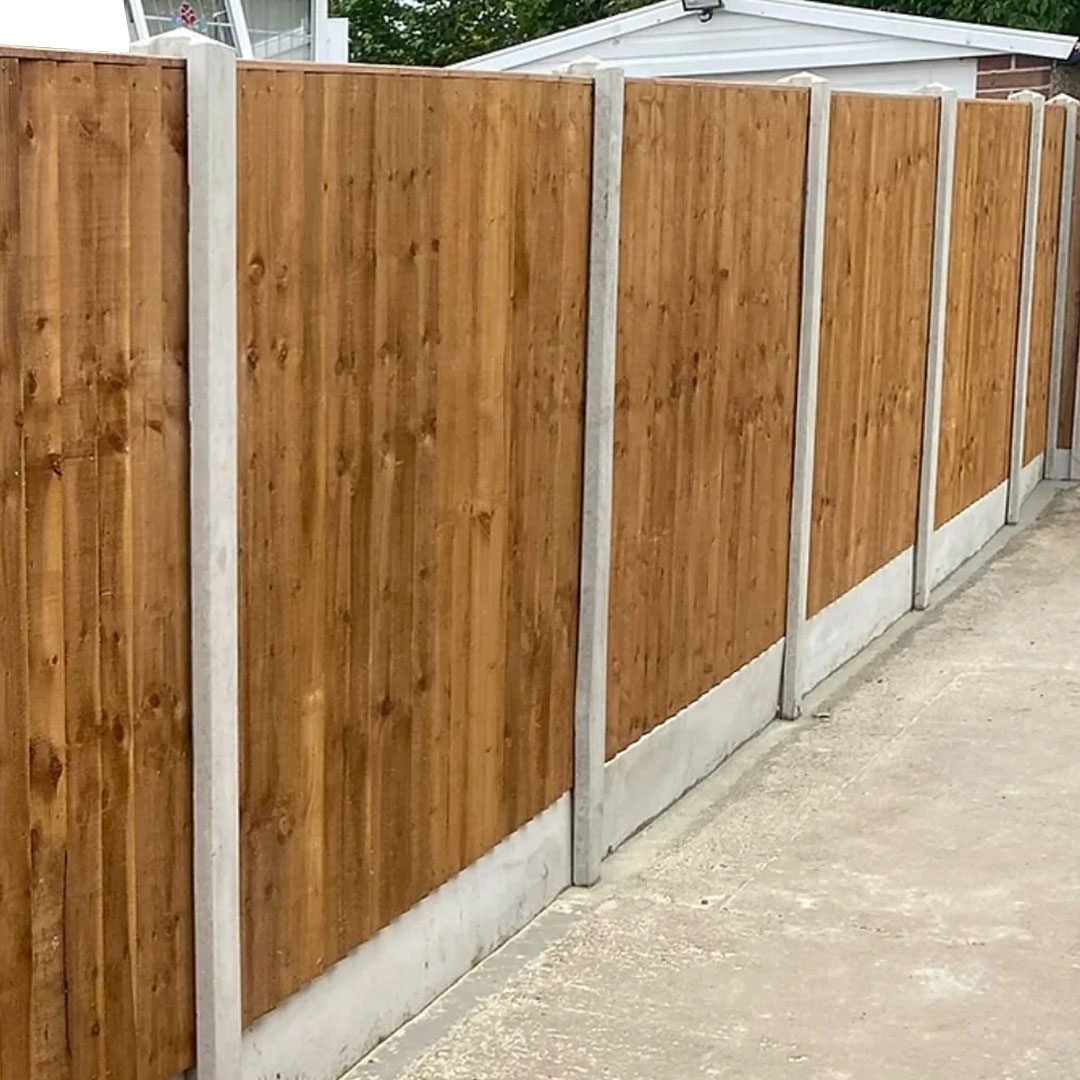
A well-planned garden should be your personal sanctuary, a place to relax, entertain and enjoy the outdoors without feeling overlooked. Whether you are moving to a new housing development or simply want to reclaim your space, choosing the right fence is the most effective way to achieve maximum privacy. In this guide, we will walk you through the best styles, materials and design tips to create a secluded haven, and show you why Grangewood is your trusted supplier for high-quality decorative fence panels and feather edge fencing.
Why Privacy Fencing Matters for Your Garden
Investing in a privacy fence blocks sightlines from neighbours, upgrading your quality of life and your property’s value.
Security and Seclusion – A solid fence deters unwanted attention and defines your boundary, making your garden feel like a secure extension of your home.
- Noise Reduction – While a fence alone won’t block all sound, a dense material like timber can significantly buffer neighbourhood noise when combined with soft, open landscaping.
- Design Aesthetics – Modern privacy fencing is incredibly versatile. It acts as a backdrop for planting and outdoor furniture, instantly elevating the overall design of your space.
- Durability is Key – To achieve lasting privacy, you must choose materials that can withstand the UK weather. This means opting for pressure-treated timber that resists rot and warping, ensuring your fence remains a solid boundary for years to come.
Can Feather Edge Fencing Be Used for Privacy?
If your primary goal is to create a robust, opaque boundary, feather edge fencing is widely considered one of the best options available.
Unlike standard overlap panels, feather edge fencing consists of individual vertical timber slats. These boards are thicker on one edge and taper to a thinner edge (hence the name feather edge). During installation, these boards are overlapped to create a solid, unbroken barrier. This overlapping design eliminates gaps that can form in other fence types over time, ensuring your garden remains private as the materials weather and settle.
At Grangewood, our pressure-treated feather edge fencing is designed for strength and longevity, offering a classic, timeless look that maximises your privacy.
Decorative Panels vs Feather Edge Boards – What’s Best for You?
Choosing between decorative panels and feather edge boards often comes down to your preference – aesthetic impact or structural customisation. Both offer excellent privacy, but they achieve it in different ways.
- Feather Edge Fencing – Prized for its strength, durability and traditional appearance. Because it is built on-site using individual boards, it is incredibly versatile on uneven ground. You can simply adjust the board lengths as you go to follow the slope of your garden. This creates a seamless, custom fit that pre-made panels cannot always achieve. It offers a classic look and is often the more cost-effective solution for larger gardens.
- Decorative Fence Panels – Designed for immediate impact and style. They come in ready-made sections, featuring designs such as horizontal slats, lattice tops or geometric cut-outs. While they still provide privacy (especially solid-backed designs), their primary advantage is the visual interest they add to a space. They are quicker to install than feather edge and are perfect for creating a modern or contemporary garden aesthetic.
Ultimately, the best choice depends on your garden. If you need a tough, customisable boundary that offers total seclusion, feather edge fencing is the winner. If you want to make a design statement and value ease of installation, explore our range of decorative fence panels.
What Are the Different Styles of Panel Fencing Available?
The term panel fencing covers a wide variety of styles, each offering a different balance of privacy and design.
- Closeboard Panels – These are essentially pre-made versions of feather edge fencing. They consist of vertical boards mounted on horizontal rails, providing a strong, solid and very private barrier.
- Lattice-Top Panels – These offer a compromise between privacy and openness. A solid base provides seclusion, while the top allows light through and supports climbing plants. They are ideal for gardens where you want to feel slightly less enclosed.
- Horizontal Slat Panels – A staple of modern design, these panels use wide horizontal timbers with small gaps. They offer partial privacy while creating a sleek, contemporary look that is very popular.
- Trellis Panels – These are primarily designed to support climbing plants. While they don’t offer full privacy on their own, they become a living screen when planted with ivy, clematis or roses.
Tips for Maximising Privacy
A great fence is the foundation of a private garden, but you can amplify its effect with a few clever tricks.
Add Height with Trellis or Screening
If you need extra height but want to avoid a prison-wall effect, attach a trellis to the top of your existing fence. This can add a foot or more of screening and is perfect for training climbing plants.
Understand Planning Regulations
In the UK, fences in back gardens can generally be up to 2 metres (about 6.5 feet) high without planning permission. However, this includes any trellis or additions on top. Front garden fences are limited to 1 metre if adjacent to a highway. Always check your local regulations before starting.
Use Gravel Boards
Installing a gravel board at the base of your fence prevents soil contact with the timber, which is the primary cause of rot. This small step dramatically extends your fence’s lifespan, ensuring your privacy lasts.
Layer with Planting
For a softer, more natural look, plant a layer of shrubs or ornamental grasses in front of your fence. This creates depth and hides the fence line, making the boundary feel more integrated with the garden.
Choosing Materials That Last
The material you choose directly impacts how long your fence will provide privacy. The UK climate demands resilience.
Pressure-Treated Timber is the industry standard for longevity. This process forces preservatives deep into the wood, protecting it from rot, fungus and insect attack. A well-maintained, pressure-treated feather edge fencing or decorative panel can last 15 to 20 years.
Composite Materials are a low-maintenance alternative. Made from recycled wood and plastic, they resist fading, warping and moisture damage without needing annual treatment. While the upfront cost is higher, the time saved on maintenance can be worth it for many homeowners.
At Grangewood, we stock a wide range of pressure-treated timber options, ensuring your new fence is built to last. Don’t forget to browse our accessories, like post caps and gravel boards, to add the finishing touches and further protect your investment.
Shop Decorative Fence Panels and Feather Edge Boards
Ready to transform your garden into a private retreat? At Grangewood Fencing, we offer an extensive range of high-quality fencing solutions to suit every style and budget. From the robust, customisable appeal of feather edge fencing to the instant style of decorative fence panels, we have everything you need to complete your project.
Explore our range today and take advantage of our reliable delivery options across the UK.
FAQs
What is the best fence for complete privacy?
Feather edge fencing, also known as closeboard, is generally considered the best for complete privacy due to its overlapping vertical boards that create a solid, gap-free barrier.
Can I increase the height of my fence for more privacy?
Yes, you can add a trellis or a fence extender to the top of your existing fence. However, remember that the total height (fence plus trellis) must not exceed 2 metres if you wish to avoid needing planning permission.
How long does feather edge fencing last?
With proper installation and maintenance, high-quality pressure-treated feather edge fencing can last up to 20 years. Using gravel boards and annual treatment will help maximise its lifespan.
What is the difference between closeboard and feather edge fencing?
The terms are often used interchangeably, but technically, feather edge refers to the tapered boards themselves. Closeboard describes the finished panel constructed from these overlapping feather edge boards.